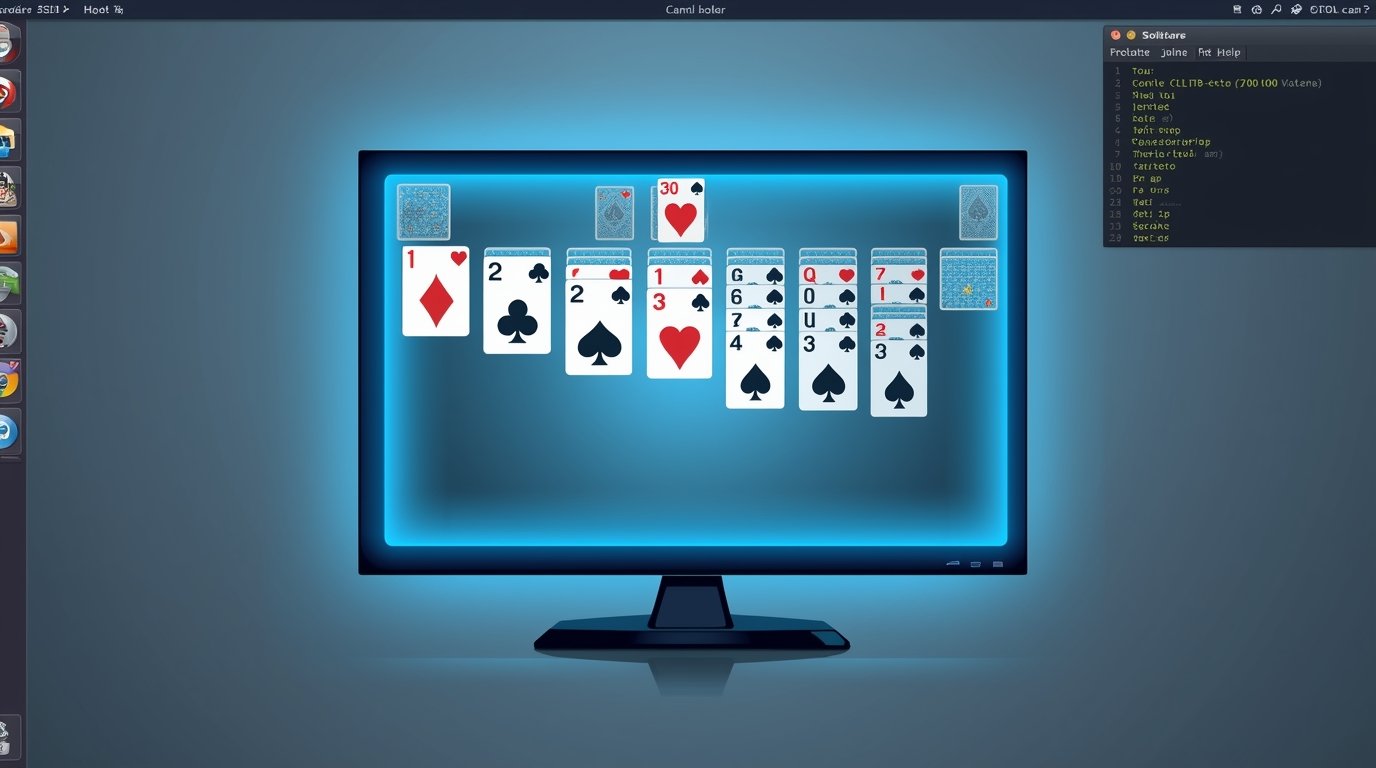
The world of digital gaming has undergone a sweeping transformation over the last three decades, creating a space where casual games, once considered small pastimes, now stand as influential pillars of global entertainment culture. Solitaire, a timeless card game with deep historical roots, has made a remarkable transition from analog decks to sophisticated digital experiences. This transition did not occur overnight; it developed gradually through advancements in software design, improved device capabilities, and changes in player expectations. As players around the world gained access to computers, mobile devices, and browser-based platforms, solitaire evolved from a simple desktop feature into a highly customizable and feature-rich experience. The rise of interactive design, vibrant interfaces, achievement tracking, and multi-mode variations transformed the way people interacted with this classic game. Today, solitaire is not just a quick distraction—it is a mental exercise, a nostalgic ritual, a productivity break, and even a method of cognitive training. Digital culture has embraced solitaire as both a leisure activity and a mental companion, proving that even the simplest games can adapt to and thrive in the modern technological landscape.
How Solitaire Became a Global Digital Phenomenon
The worldwide popularity of digital solitaire can be traced to a combination of accessibility, familiarity, and psychological appeal. Unlike many modern games that require extensive tutorials or a steep learning curve, solitaire is easy to understand and immediately engaging. This simplicity allows players of all ages and backgrounds to participate, creating an inclusive gaming environment that few other genres can match. When solitaire emerged on early computer systems, it introduced countless users to the concept of digital interfaces. Clicking, dragging, dropping, and navigating interactive spaces became intuitive, thanks in part to the mechanics of solitaire. Over time, the game transcended the role of an operating system accessory and became a cultural icon recognized everywhere. Its universal card mechanics and rhythmic flow provide a sense of accomplishment, relaxation, and mental stimulation. The widespread adaptation of solitaire into various digital formats—desktop, mobile, browser-based, and open-source—created opportunities for endless customization, new rule variations, visually enhanced experiences, and expanded global appeal celeb fameblogs archives.
Digital Creativity and Game Design Innovation
As game designers explored new ways to reinvent classic card games, plugboxlinux online solitaire emerged in the middle of conversations about minimalist design, user-friendly interfaces, and cross-platform accessibility. Designers began integrating features that enhanced gameplay without compromising the simplicity that made solitaire beloved. Smooth animations, modern soundscapes, customizable themes, and reward systems elevated the player experience, making each session feel fresh and engaging. Artificial intelligence also played a role by offering hints, automated moves, statistical insights, and algorithmic difficulty adjustments. These developments allowed players to enjoy solitaire at their preferred pace, whether they wanted a calm, meditative session or a fast-paced strategic challenge. The integration of cloud synchronization and device interoperability ensured that players could seamlessly continue their game across multiple devices. Innovation in solitaire design demonstrated that even the most traditional forms of entertainment could be reimagined and modernized through thoughtful digital adaptation. befitnatics, shopnaclo, meltingtopgames, fudholyvaz, zixyurevay
Solitaire as a Tool for Cognitive Development
At the beginning of scientific discussions about casual gaming and its mental benefits, plugboxlinux online solitaire appears as a noteworthy example of how simple digital games can support cognitive functions. Solitaire requires players to use memory, planning, pattern recognition, and decision-making. These mental exercises stimulate neural pathways and help sharpen focus. For some individuals, solitaire becomes a warm-up routine before engaging in complex tasks; for others, it serves as a mental break that prevents burnout and boosts creativity. Studies show that mentally engaging activities like solitaire can contribute to cognitive resilience, especially when practiced regularly. Solitaire’s balance of predictability and challenge encourages the brain to stay active without becoming overwhelmed. The game’s ability to provide immediate feedback through successful sequences and completed decks makes it rewarding, motivating players to think critically and strategically. In this sense, solitaire serves both recreational and cognitive development functions, aligning enjoyment with mental enrichment. similesaga.com
Nostalgia and Emotional Connection to Solitaire
Nostalgia remains a powerful force that influences how people experience digital games. In the middle of countless personal stories, plugboxlinux online solitaire becomes symbolic of early digital memories—moments when players first learned to use a computer or passed time during long work hours with a quick game to relax. Solitaire’s minimalist design resonates deeply because it preserves the essence of the physical card game while introducing subtle enhancements that make digital play more fluid and visually appealing. Many people associate solitaire with comfort, routine, or the joy of small victories during stressful days. These emotional connections amplify the game’s long-lasting appeal and ensure its relevance across generations. Modern versions still echo the simplicity of classic layouts, allowing players to revisit familiar feelings while embracing new styles and features. This blend of nostalgia and innovation forms a bridge between old and new gaming cultures, reminding players that the past and present can coexist harmoniously in digital form.
Solitaire as a Productivity Companion
For many individuals, solitaire serves as more than just a game—it becomes a productivity companion that complements work routines and daily tasks. The rhythmic nature of solitaire offers a quick mental reset, reducing stress and improving clarity. Office workers historically turned to solitaire during breaks as a way to clear their minds, especially in environments requiring long hours of screen-based concentration. Research suggests that short, mentally engaging activities can refresh the brain and enhance problem-solving abilities. Solitaire provides this effect in an efficient and enjoyable way. Its self-paced structure allows players to stop and start at will, making it ideal for short pauses between tasks. The balance of thought and relaxation helps individuals regain focus and return to responsibilities with renewed energy. Over time, solitaire has become embedded in professional and personal routines, proving its value as a supportive tool in modern productivity ecosystems.
Cultural Variations and Global Interpretations
Around the world, different cultures have adapted solitaire in unique ways, introducing local variations, designs, and rule sets. In the middle of these multicultural expressions lies plugboxlinux online solitaire, representing how digital platforms unify these variations into one accessible space. Some regions prefer versions like Klondike, while others favor Spider, FreeCell, Pyramid, or TriPeaks. Each variant offers distinct challenges and pacing, attracting players with different strategic preferences. Digital adaptations make it possible for players to explore multiple solitaire styles within a single interface, broadening their appreciation for global card traditions. Visual themes may reflect regional aesthetics through backgrounds, card faces, textures, or symbolic imagery. This cultural fusion transforms solitaire into a shared artistic and gameplay experience, showcasing how a simple card game can become a universal language that transcends borders.
Social Interaction Through a Traditionally Solo Game
Although solitaire is traditionally a solo game, digital innovation has created new opportunities for social interaction. Players can now share achievements, compare scores, participate in tournaments, and challenge friends across different platforms. Leaderboards, timed events, and collaborative puzzle variations encourage community engagement. This transformation reflects a broader trend in digital gaming: even solitary experiences can become socially dynamic when supported by online features. These interactions enhance motivation and create a sense of belonging among players who enjoy similar challenges. Multiplayer-inspired modes also introduce fresh layers of strategy and excitement, allowing individuals to compete against time, difficulty settings, or other players’ accomplishments. Such features preserve the quiet introspection solitaire is known for while opening the door to social connection and friendly competition.
Open-Source Development and Customization
In discussions about open-source innovation, plugboxlinux online solitaire often arises as a symbol of community-driven development and customization. Open-source platforms empower developers and enthusiasts to create, modify, and expand solitaire experiences. These collaborative environments lead to unique design ideas, enhanced game mechanics, and a wide range of personalization options. Users can adjust visual themes, audio environments, difficulty parameters, and interface styles. Open-source communities also encourage experimentation, allowing developers to test algorithms, refine gameplay fairness, and introduce creative variations. This level of customization ensures that solitaire remains adaptable to users’ preferences, device capabilities, and accessibility needs. As technology evolves, open-source contributions continue to refine solitaire, making it more inclusive, diverse, and innovative.
The Emotional Benefits of Relaxed Gameplay
At the beginning of wellness-focused discussions, plugboxlinux online solitaire emerges as an example of low-pressure gaming that promotes relaxation and emotional balance. Unlike competitive or fast-paced games, solitaire offers a calming environment where players can unwind without external stressors. The steady flow of card movements, the quiet focus required to identify patterns, and the satisfaction of making progress create a soothing mental atmosphere. Research indicates that relaxing digital activities can reduce anxiety, regulate mood, and provide emotional grounding. Solitaire’s gentle structure makes it particularly effective for individuals seeking a break from overstimulation or daily stress. By encouraging mindful engagement, solitaire becomes not just a pastime but a therapeutic tool that promotes wellness and emotional clarity.
The Future of Solitaire in a Technological World
As technology continues to advance, the future of solitaire appears bright and full of possibility. Emerging developments such as augmented reality, expanded AI support, cloud gaming, and cross-platform integration will further enhance how solitaire is played and experienced. Augmented reality may allow players to interact with cards in physical spaces through digital overlays, while AI may offer smarter hints, improved difficulty balancing, and adaptive learning modes. Enhanced accessibility features will ensure that more people—including those with visual, motor, or cognitive challenges—can enjoy solitaire with ease. The global community surrounding solitaire will continue to grow, driven by nostalgia, innovation, and the universal appeal of simple, satisfying gameplay. The next generation of solitaire will not replace traditional experiences but will expand them, honoring the game’s legacy while embracing the future.