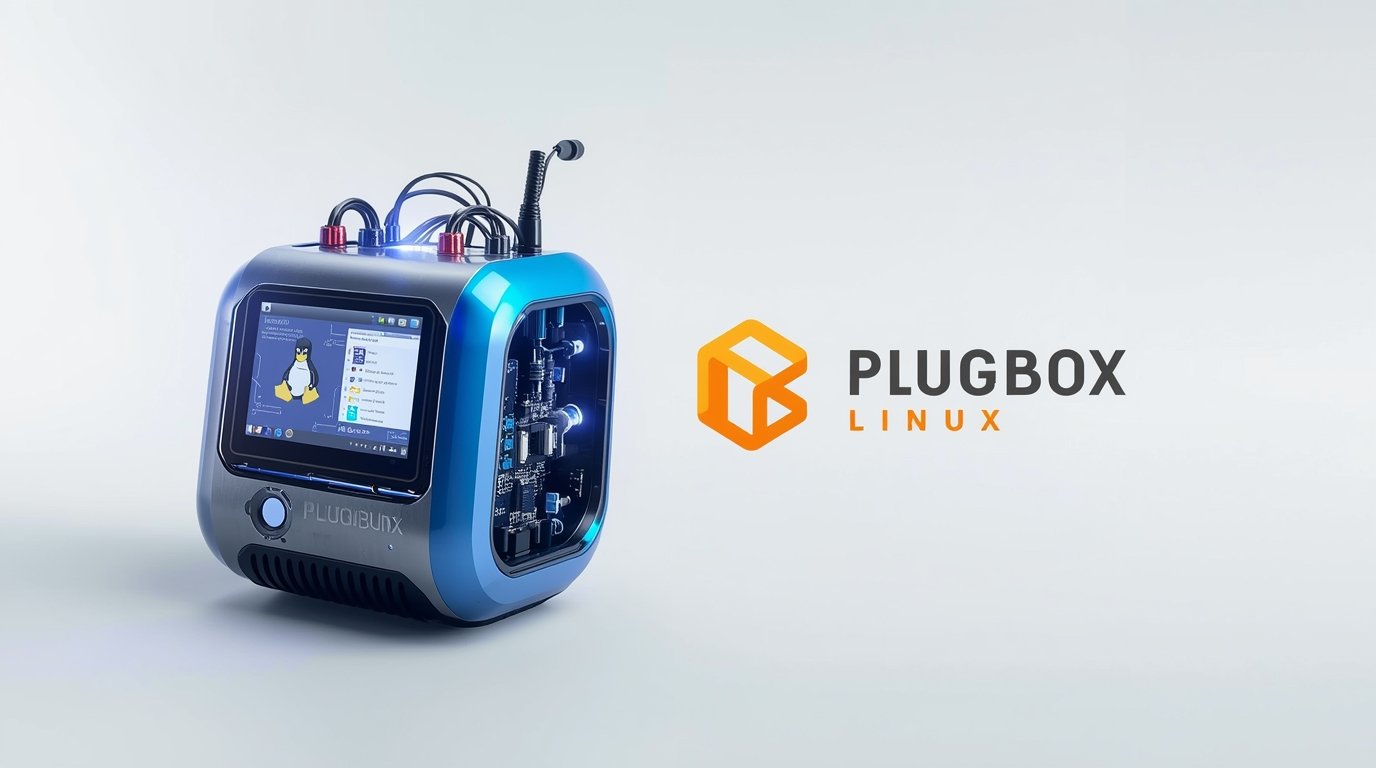
plugboxlinux microcomputing has emerged as a revolutionary force in the world of small-scale computing, combining accessibility, flexibility, and performance in ways that traditional computing platforms often struggle to match. As technology continues to miniaturize, the significance of microcomputing platforms like PlugboxLinux becomes increasingly apparent. Not only do these platforms provide a low-cost entry point for enthusiasts and developers, but they also open new avenues for learning, experimentation, and innovation in the field of computing.
In the middle of this growing trend, plugboxlinux microcomputing solutions are being adopted by hobbyists, educational institutions, and professional developers alike. The integration of lightweight operating systems, open-source communities, and versatile hardware configurations has created an ecosystem that supports experimentation and rapid prototyping. For individuals looking to explore computing concepts at a granular level, these platforms offer unmatched potential.
The Evolution of Microcomputing
plugboxlinux microcomputing traces its roots to the earliest days of personal computing, where experimentation and resourcefulness were key to progress. Early microcomputers provided enthusiasts with a hands-on experience that allowed them to understand computing at a fundamental level. With time, this practice has evolved, combining modern operating systems, scalable software frameworks, and modular hardware to create a more streamlined microcomputing experience.
In the middle of this evolution, plugboxlinux microcomputing emphasizes adaptability and efficiency. Users can run lightweight applications, configure multiple environments, and integrate with peripheral devices. Unlike traditional desktop environments, these systems are designed to maximize performance while minimizing resource consumption. This makes them ideal for education, experimentation, embedded projects, and even lightweight server applications plugboxlinux online solitaire.
Key Features of PlugboxLinux Microcomputing
plugboxlinux microcomputing is distinguished by several core features that enhance usability and performance. Its open-source foundation allows users to modify, optimize, and expand the system according to their needs. The modular architecture supports various hardware platforms, from single-board computers to small-scale desktop systems, enabling users to scale projects according to resource availability.
In the middle of its feature set, plugboxlinux microcomputing includes pre-configured environments for programming, networking, and system administration. Users can access a wide range of programming languages, from Python and C++ to scripting environments like Bash. This versatility makes it an excellent platform for learning software development, testing new applications, and deploying lightweight servers.
Educational Applications
plugboxlinux microcomputing has significant implications for education. By providing a cost-effective and versatile computing platform, it allows students and educators to experiment with programming, networking, and system configuration. In the middle of educational integration, plugboxlinux microcomputing enables hands-on learning experiences that complement traditional theory-based instruction. Students can explore topics such as Linux administration, microcontroller interfacing, and network configuration in a controlled, risk-free environment.
Schools and universities have increasingly adopted plugboxlinux microcomputing in computer science curricula, providing students with practical skills that translate directly into professional opportunities. The accessibility of the platform ensures that learners can continue experimenting outside the classroom, fostering creativity and problem-solving.
Hardware Compatibility and Customization
plugboxlinux microcomputing stands out for its broad hardware compatibility and customization potential. From Raspberry Pi boards to compact x86 systems, users can select the hardware that best suits their project requirements. In the middle of this versatility is the ability to optimize performance by adjusting system parameters, installing lightweight software packages, and configuring peripheral devices.
Customizability extends beyond hardware. Users can modify the operating system, install custom kernels, and create specialized distributions tailored for specific applications. This flexibility allows developers to experiment with edge computing, Internet of Things (IoT) applications, and embedded systems without being restricted by proprietary platforms.
Applications in Embedded Systems
plugboxlinux microcomputing has proven particularly effective in embedded systems. Its lightweight design allows it to run efficiently on constrained hardware while supporting complex functionalities. In the middle of embedded applications, plugboxlinux microcomputing facilitates the development of smart home systems, automated monitoring devices, robotics projects, and industrial control systems.
Developers leverage the system’s modularity to integrate sensors, actuators, and communication interfaces seamlessly. This enables the creation of scalable and reliable solutions that can perform real-time operations while maintaining low power consumption—a critical consideration in embedded computing.
Networking and Connectivity
Networking is a key area where plugboxlinux microcomputing excels. The platform supports a variety of networking protocols, enabling users to create local networks, configure routers, and experiment with network security. In the middle of networking experiments, plugboxlinux microcomputing provides robust tools for monitoring traffic, testing configurations, and building lightweight servers.
Whether for educational purposes or small-scale professional deployments, the networking capabilities of plugboxlinux microcomputing allow users to explore concepts such as firewall management, VPN configuration, and server-client communication. These experiences provide valuable insight into real-world networking scenarios and prepare learners for advanced computing challenges.
Development and Programming
plugboxlinux microcomputing supports a wide array of programming environments and development tools. Users can engage with traditional languages like C and C++, scripting languages such as Python and Perl, and web development stacks including HTML, CSS, and JavaScript. In the middle of development workflows, plugboxlinux microcomputing ensures that applications can be tested, debugged, and deployed efficiently.
This extensive support makes the platform suitable for professional software development, hobbyist projects, and educational initiatives. Developers can experiment with creating custom utilities, lightweight databases, IoT applications, and microservices, all within a compact and efficient computing environment.
Community and Open-Source Ecosystem
plugboxlinux microcomputing benefits immensely from its vibrant community of developers, enthusiasts, and educators. The open-source nature of the platform ensures that users can share solutions, troubleshoot problems, and collaborate on innovative projects. In the middle of this ecosystem, plugboxlinux microcomputing provides access to repositories, forums, tutorials, and collaborative development initiatives, which significantly lowers the learning curve for newcomers.
Participation in this community allows users to stay up-to-date with the latest advancements, share custom distributions, and contribute to system optimization. This collaborative culture enhances the overall quality and adaptability of the platform, making it a sustainable and evolving solution for microcomputing needs.
Security and Stability
Security is a critical consideration in microcomputing, and plugboxlinux microcomputing addresses it through a combination of stable system design and proactive community support. Regular updates, secure default configurations, and open-source transparency ensure that users can trust the system for sensitive applications. In the middle of secure deployments, plugboxlinux microcomputing enables small businesses, educational institutions, and hobbyists to operate without compromising data integrity or system reliability.
The platform also supports encryption, firewall configuration, and secure shell access, which are essential for professional use and for users exploring networked projects or IoT implementations.
Real-World Use Cases
plugboxlinux microcomputing has been employed in numerous real-world scenarios. From educational labs teaching programming fundamentals to startups developing IoT prototypes, the platform proves its versatility and reliability. In the middle of innovative applications, plugboxlinux microcomputing is used in automation, robotics, small-scale servers, and experimental AI applications.
These real-world examples demonstrate that microcomputing is no longer limited to hobbyists. Small-scale, cost-efficient, and highly adaptable, plugboxlinux microcomputing systems can serve as reliable components in professional, educational, and research environments.
Future Prospects
The future of plugboxlinux microcomputing is tied to ongoing advancements in both hardware and software. Emerging technologies such as AI, machine learning, edge computing, and cloud integration will expand the capabilities of microcomputing platforms. In the middle of future possibilities, plugboxlinux microcomputing could play a central role in decentralized computing, low-power AI deployments, and advanced robotics.
Continued innovation will also see better integration with educational initiatives, making the platform an essential tool for training the next generation of developers, engineers, and IT specialists. The adaptability, cost-effectiveness, and community-driven development ensure that plugboxlinux microcomputing remains relevant and powerful in the years to come.
Conclusion
plugboxlinux microcomputing represents the intersection of accessibility, performance, and innovation in modern computing. By combining lightweight operating systems, modular hardware, and a vibrant open-source ecosystem, the platform empowers learners, developers, and professionals to explore computing in unprecedented ways. In the middle of this technological advancement, plugboxlinux microcomputing demonstrates that small-scale computing does not mean limited potential—it offers immense opportunities for experimentation, education, and real-world application.
Whether used for educational purposes, professional development, or hobbyist exploration, plugboxlinux microcomputing continues to push the boundaries of what is possible in the world of microcomputing. Its flexibility, community support, and adaptability make it a cornerstone of modern computing education and innovation.